Posts

FURNITURE 3D MODELS: HOW REVIT HELPS IN PERFECTING WOODWORK DESIGN DEVELOPMENT

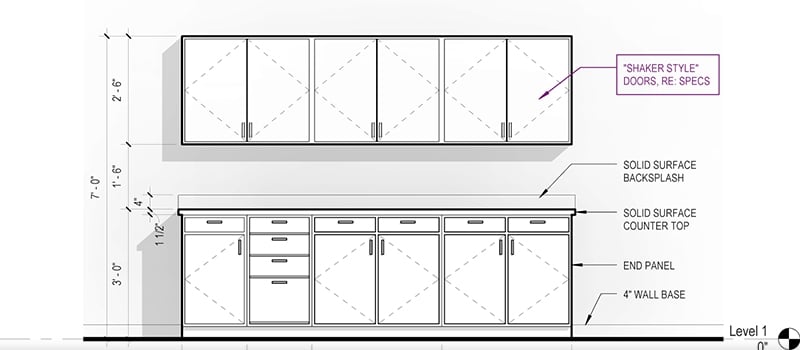
Revit enhances millwork designing with furniture 3D models

Autodesk Revit has undeniably brought positive shifts into the furniture industry, including woodwork. Nowadays, many millworkers opt for it as for the ultimate modeling and design tool in 3D. It’s not in vain. It addressed tangible limitations that conventional 2D CAD programs had. For example, time spent on working on veneer schedules, cutting list, etc. or errors occurring when creating parts, specifications, and bills of materials. In simple words, the program made the process of woodwork design development simpler and more effective.

Read more

CIVIL DRAFTING: HOW CAD TOOLS MAKE THE PROCESS EASIER AND FASTER
Drawings and Tools for Civil Drafting

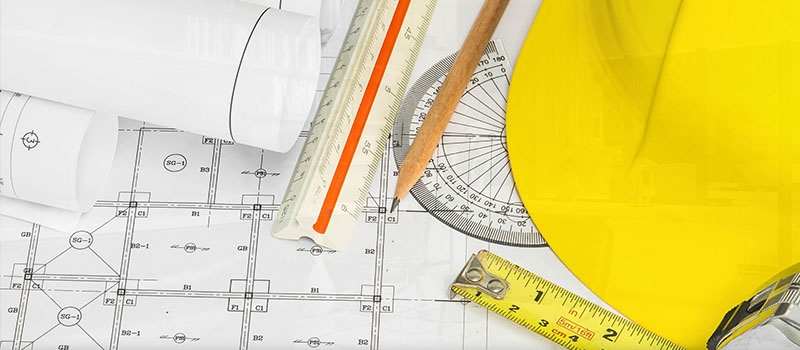
How many engineers draw by hand nowadays? Especially when it comes to civil drafting, where responsibilities and budgets are much higher than in average architectural projects. No doubt, modern CAD software makes the whole working process more convincing and accurate — the design, the drafting part, and the construction itself. Advanced CAD programs make lots of processes automated, including the calculation of the consumption of materials. Therefore, the risk of making a fatal mistake while using software is significantly smaller than in drafting by hand.
Read more

REVIT 3D PRINTING: 5 WAYS THIS TECHNOLOGY BENEFITS ARCHITECTS

In 2019, the market of 3D printing was reportedly valued at $13.7B and is anticipated to reach $63.46B by 2025. There’s no doubt – the technology has changed the world. The making of architecture is a part of the wave of domains being reshaped by it. A lot of companies have ameliorated the speed of […]

ARCHITECTURAL DRAFTING PROGRAMS: 2D VS 3D TOOLS

Comparison of 2D and 3D Programs

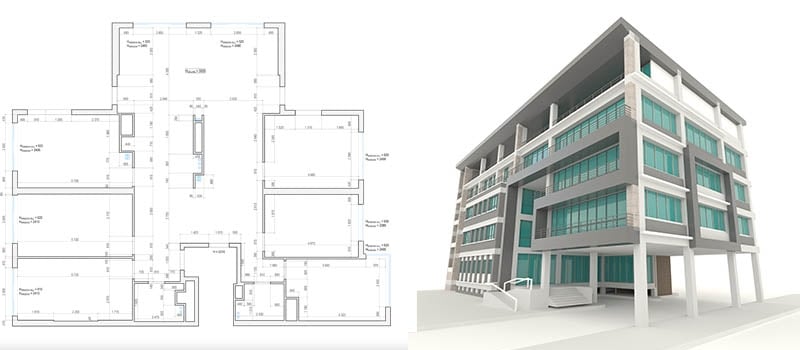
We are all creatures of habit when it comes to our private routines and professional life. For example, architects get used that their draftsmen work in particular architectural drafting programs and utilize the same tools for years. Surely, using old familiar techniques can establish a smooth and fast workflow. However, in reality, modern 2D and 3D software is constantly changing and getting better. Developers release new programs and update old ones very frequently, fixing bugs and adding cool features. Thus, having the habit of working in the same program, architects and draftsmen may miss new opportunities that could make their working process more convenient and fast. That’s why it’s so important to stay updated on new products in the field of CAD software.

Read more

3D CAD MODELING SERVICES: 5 KEY REFERENCES FOR A FURNITURE BIM PROJECT

Furniture BIM for Website Downloading

3D CAD modeling services is a key to productive collaborations between Furniture Manufacturers and Interior Designers. They provide high-quality 3D objects that can be put on a website for easy downloading. By offering such BIM content, furniture companies can make creators of design projects choose their product even before the construction will begin.

Read more

REVIT FAMILY SERVICES: 5 WAYS FURNITURE MANUFACTURERS CAN USE THEM

Table and Chairs Revit Families

Revit family services enhance the manufacturing process with the help of accurate technical information for every 3D model. But even after the production stage, furniture companies can use BIM objects for creating innovative website content and collaborating with Designers.

Read more

REVIT FOR MILLWORK: HOW TO REDUCE THE PROJECT COST

Kitchen Cabinets Revit Models for a Millwork Project

Revit for millwork projects is an excellent for cutting budget on both design development and the manufacturing itself. This type of BIM helps to calculate the right amount of materials for a product, therefore thoroughly minimize wastings, as well as to detect errors at the early stages of the process.

Read more

REVIT BIM SERVICES: 7 SIGNIFICANT BENEFITS FOR CONTRACTORS

BIM Constructions for Architectural Projects

Revit BIM services are extremely effective at both developing an architectural project and implementing it after the approval. Contractors use them to speed up the construction process and detect errors at the early stages.

Read more