
IN-HOUSE OR OUTSOURCE DRAFTING: 5 CRITERIA THAT DECIDE IT
Keeping drafting in-house or sending it out is not really a question about money. It is a question about how steady your workload is.
A studio with a predictable pipeline is usually better off hiring. A studio whose next three months depend on one tender is not, because a salaried drafter costs the same in a quiet month as in a busy one. Below are the five things the decision actually turns on, and where each option wins.
Contents:
- Capacity when a deadline moves
- What each option really costs
- Skills you need once a year
- Who checks the drawings
- Confidentiality and the NDA
- So which one
- In-house or outsource FAQ
Capacity When a Deadline Moves
An in-house team has a fixed ceiling. Four drafters are four drafters, and when a client pulls a date forward the only levers left are overtime and apologies. Somebody being off sick during a submission week is its own small disaster.
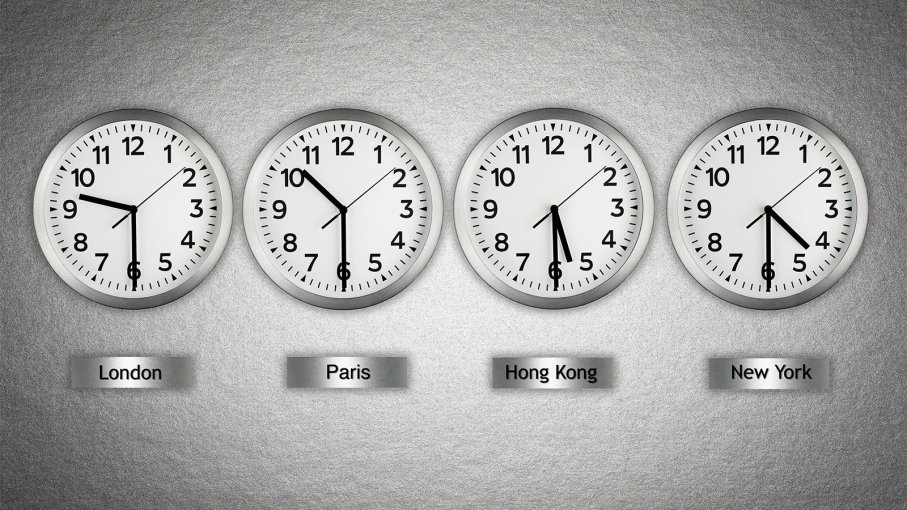
An outsourced team flexes. Six people on a set for a fortnight, then back to two, and nobody is idle on your payroll in between. Time zones help here more than people expect: comments sent at the end of your day come back answered in the morning.
The honest cost of that flexibility is onboarding. A remote team needs your template and your standards before it becomes fast, so the first project always runs slower than the fifth. Judge a supplier on the third order, not the first.
What Each Option Really Costs

The salary is the small part of it. Add tax, paid leave, sick days, a workstation, an AutoCAD or Revit licence, and the manager hours that go on supervising rather than designing.
Then divide all of that by the hours actually billed to projects. In most studios that number is well below what anyone assumes, because holidays and quiet weeks and internal admin do not disappear just because nobody bills them.
Outsourcing turns the same work into a rate you pay only when the work exists. Our architectural drafting services run $20 an hour for CAD drafting and $25 for Revit and BIM. Over a full year of steady load the two models can land close together. Over an uneven year they do not come close at all. There is a fuller breakdown in our guide to what CAD drawings cost.
Skills You Need Once a Year

This is the argument that decides more cases than cost does.
A small team covers what it covers. When a project needs landscape drawings, or a millwork package, or a Revit model built from a laser scan, you are either hiring for a skill you will use twice a year or teaching somebody on the client’s time. Studios differ in what they keep on staff, so it is worth reading which specialisations a drafting company covers before you send the job out.
A studio carries those people already because other clients keep them busy. You borrow the specialism for three weeks and stop paying for it afterwards.
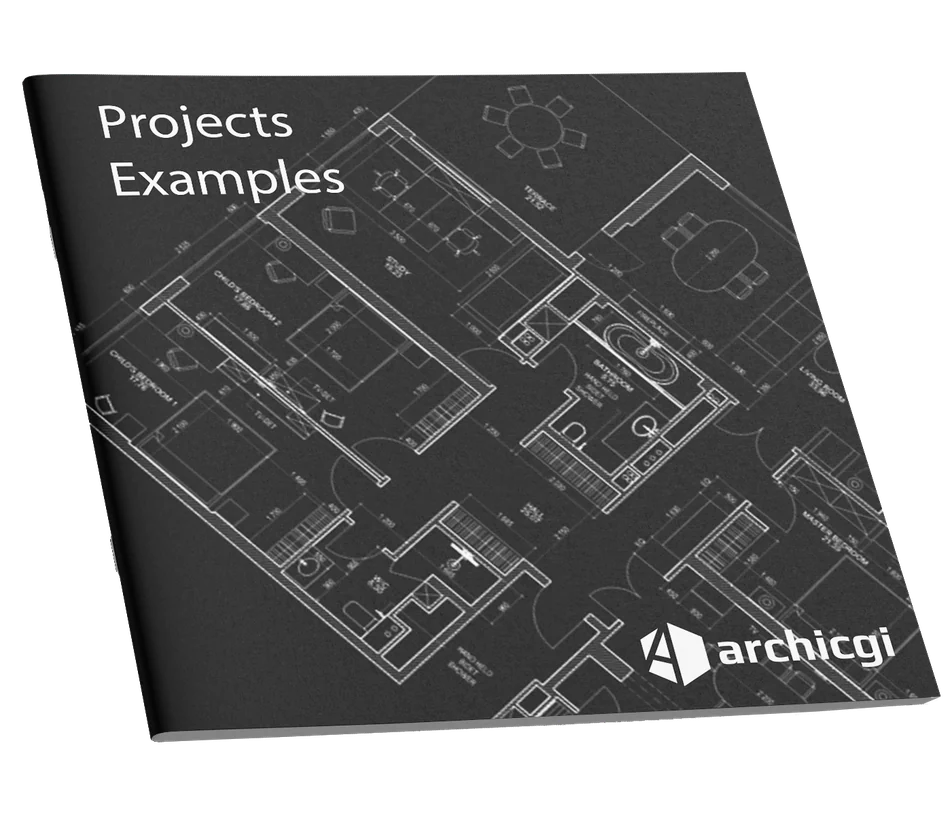
Want to know more about CAD services our studio provides? Check out this archive with projects examples and learn more.
Who Checks the Drawings
In-house, the person checking the set is usually the person who has been looking at it for a fortnight. That is exactly the wrong pair of eyes, and everybody knows it, and it happens anyway because there is nobody else.
A serious studio runs an internal review as a separate step by a separate person. Ask about it directly, because it is the difference between a supplier and a cheap supplier. Ask about revisions in the same breath: ours includes the first two rounds, and where that line sits should be in writing before the first order. More on vetting in how to choose a drafting company.
Confidentiality and the NDA

The instinct is that in-house is safer. In practice an employee walks out with the same files a contractor could, and an NDA binds both.
What matters is the mechanics. An NDA signed before any file changes hands. Project storage that is not somebody’s personal cloud folder. And a straight answer to the question of which named people can open your files. Ask those three before the first order rather than after.
So Which One
Hire in-house when the workload is steady, the drawing types are always the same, and the drafter will be busy in February as well as in June.
Outsource when demand swings, when a project needs a skill your team does not have, or when a deadline arrives that four people cannot physically meet. We put numbers on that trade in outsource drafting: speed, savings and control.
Most studios end up with both, and that is not a compromise. A small permanent core for the daily work, plus a supplier who already knows your template for the weeks when the core is not enough. The pattern is common enough that we described how to run it in the CAD drafting process.
If you want to test the outsourced half of that, send a small paid job first. Our millwork shop drawing services and Revit modeling services both start with a free hour estimate, and an NDA goes first.
Wonder how much high-quality drafting services cost? Check out the examples of our real projects with pricing.
In-House or Outsource FAQ
Is it cheaper to outsource drafting or hire in-house?
Depends entirely on how steady your workload is. A drafter who is busy all twelve months is usually cheaper on payroll. A drafter who is busy for seven is not, because the salary keeps running through the other five. Compare a rate against your real billed hours, not against the salary line.
Does outsourcing make sense for a small architecture studio?
Often more than for a large one. A two-person practice cannot justify a full-time drafter, but it still gets projects that need forty hours of documentation in a fortnight. Buying those hours when they are needed is the whole point.
How do I know an outsourced team will follow our standards?
Give them something to copy. The template, the title block, the layer standard and one finished set you were pleased with. That works better than a written brief every time, and it is why the third order always goes smoother than the first.
What about confidentiality?
An NDA before any file moves, storage that is not somebody’s personal drive, and a named list of who can open your project. Worth remembering that an employee walks out with the same files a contractor could, so the instinct that in-house is automatically safer does not really survive contact.
Can we use both at the same time?
Most studios do, and it is the sensible answer rather than a fudge. Keep a small permanent core for daily work and hand the overflow to a supplier who already knows your template. The trick is doing the onboarding while you are calm, not during the week you are desperate.
How do we start without committing to anything?
One small paid job. Not a free test, a real order with a real deadline, because that is the only way to see how a team communicates when something goes wrong. Ours begins with a free hour estimate and an NDA.

Daryna Romaniv
Senior Client Manager
Daryna is a Senior client manager at ArchiCGI. She can guide you through our workflow and quickly resolve any issue along the way. In her spare time, Daryna enjoys cooking, reading fantasy books, and watching “Friends”. She also loves traveling, especially to sunny Italy.


Good Post.