Posts

FACTS ABOUT DRAFTING: WHAT TO KNOW BEFORE ORDERING CAD DRAWINGS

Facts about the draft: things to know

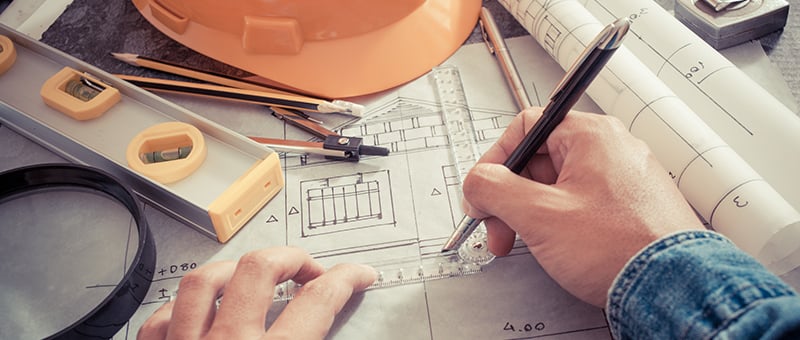
It’s impossible to imagine the creation of any kind of architectural unity without CAD drawings nowadays. In early times, it used to be only freehand sketches, but today a computer took the lead. In general, drawing means the visual concept of an object or an idea that can be communicated to another person via a medium like computer-aided design software. Herewith, drafting means performing modifications over drawings, again manually or by computer. Drafting is integral to architectural, civil, mechanical, electrical, aeronautical, and marine drafting. 
Read more

TYPES OF DRAFTING: 5 BASIC KINDS OF CAD DRAWINGS

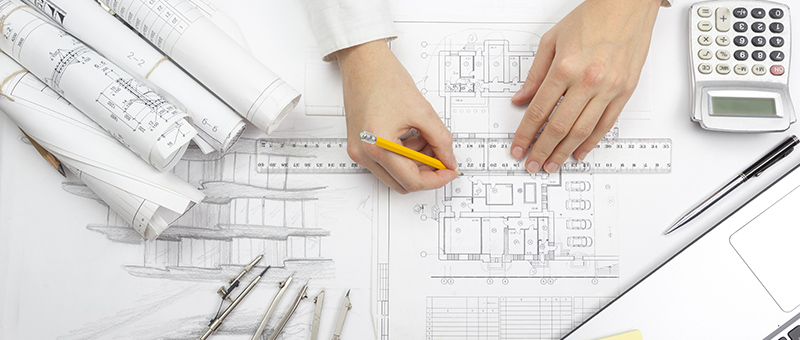
A Man Working on an Architectural Type of Drawing

Every architect, interior designer, or manufacturer knows that a simple sketch on paper can’t help build a house or make a furniture piece, because only professional drawings can turn an idea into a real thing. Regardless of the types of drafting, any industry requires highly detailed blueprints with correct elements, lines, and dimensions. Read more

OUTSOURCE CAD DRAFTERS: 5 SITUATIONS IN WHICH THEY CAN SAVE A PROJECT

An Outsource Drafter Working with Drawings

Architects and interior designers always need a lot of drawings for a new project, such as floor plans, sections, wall elevations, ventilation, electrical and plumbing layouts, etc. For smaller studios, in particular, it’s difficult to cope with tons of different tasks on time, specifically in terms of large-scale projects. However, hiring more in-house specialists is not an option, especially in such an unstable economic situation that we face today. Therefore, considering working with outsource CAD drafters may be the best solution, because they work fast and charge only for the number of drawings done. Read more

AUTOCAD DRAWING: 5 GAME-CHANGING FEATURES FOR PROJECT DEVELOPMENT

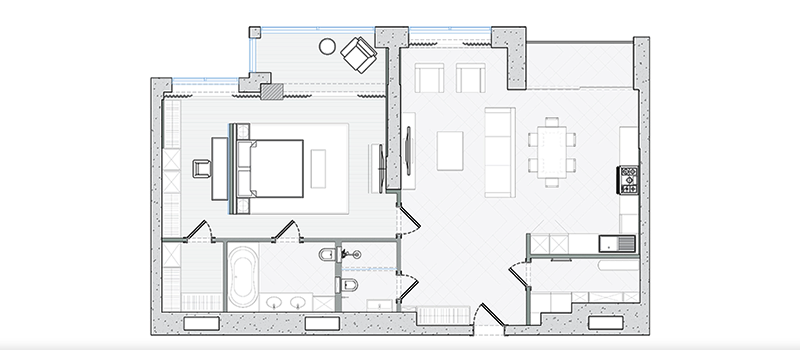
AutoCAD drawing for architecture

Be it architecture or interior design, any project requires professional drawings so that the whole process can go smoothly. Many architects, designers and engineers would like to substitute manual drawings with digital ones to receive more precise results in a shorter time and in more convenient formats. But for those unfamiliar with computer-aided drafting, it isn’t easy to determine what software will work best for them. If we talk about outsourcing CAD services, it is crucial to know what software the company of choice uses. Sometimes, it might be necessary to hire multiple drawing companies to complete all the materials for the project. All because some drawing programs have limited functions.

Read more

HOW TO CHOOSE A DRAFTING COMPANY AND WORK WITH IT

Printed Architectural Drawings

While working on a project, architects and designers need various top-quality drawings but it’s not clear to whom they can entrust this responsible task. No doubt, there are drafting firms who work quickly and at the highest level, but how to find them? 

Read more

COMPUTER-AIDED DRAFTING: 7 REASONS TO USE IT FOR INTERIORS

cad for interior designers

Interior design includes many technical issues, which are difficult to envision without a high-quality detailed draft. Many interior designers use sketches and hand drafts in their work to visualize and communicate their ideas. However, those are usually not precise and detailed enough. That can result in misunderstanding with the client and between different contractors. It can also lead to incorrect calculations regarding the budget, scope of work, types and amounts of materials to be used, etc.

Read more

HISTORY OF COMPUTER-AIDED DRAFTING: FROM A TO Z

History of computer-aided drafting programs in 5 steps

Nowadays, architects, designers and manufacturers all over the world cannot imagine their professional life without CAD programs. Their exploitation is as interesting as the history of computer-aided drafting itself. If speaking generally, the technology evolved the design processes drastically. Amongst many advantages, it streamlines workflows, decreases the necessity of physical prototypes, and allows designers to save revision histories. Some would even divide the designing before and after the computer-aided drafting emergence. 

Read more