Drafting Services Blog
Find out how to improve your business with professional CAD drawings and Revit 3D modeling



The engineering industry cannot exist without CAD drafting services and design services. That’s why drafter jobs are always in high demand. However, the process of recruiting high-caliber specialists is often complicated. First of all, it takes time and financial investments in HR services, such as searching for professionals, onboarding them, investing in equipment, allocating funds to Paid Time Off and so on. At the same time, working with freelancers is not often a way out. It’s hard to monitor the results of a person who’s somewhere overseas, especially if the sides don’t share any legal liabilities. Besides, freelance is risky in terms of deadlines and quality.


It’s not unusual for architects to encounter numerous setbacks throughout the project development process. One of those is the need to quickly produce architectural drafts and correct them when a client requests changes in design. Or if some unexpected technical issues prevent the implementation of the original concept. Moreover, multiple design iterations are often needed as well. Fortunately, there is a rather simple way to deal with all that: outsource drafting services.


Drafting in AutoCAD is effective for multilevel projects that involve different file formats and tools. This user-friendly software provides functions for both 2D and 3D, which makes the drawing process much easier and faster.

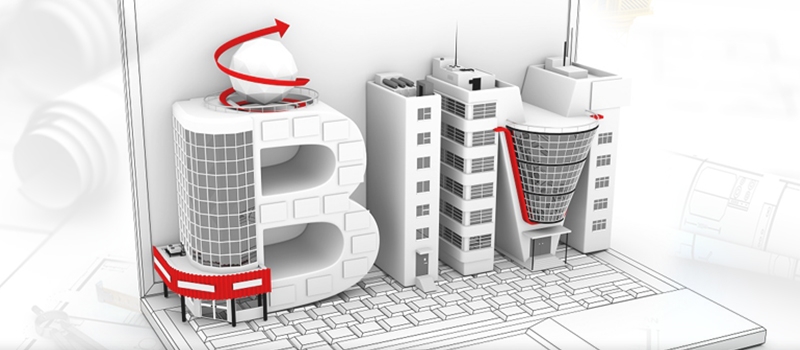
The architecture and construction industries are changing fast. Clients expect speed, precision, and smart design. At the same time, project teams need better tools to manage growing complexity. Traditional 2D drawings and even 3D models are no longer enough.
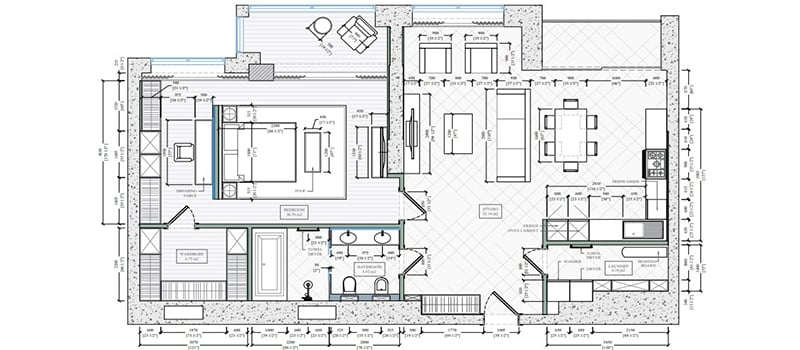
A floor plan is a scaled drawing of a space. It outlines walls, furniture, and essential systems like plumbing and electricity. It serves as the foundation of interior design floor plan development. Professionals use them to visualize layouts, optimize functionality, and plan space efficiently before construction or renovation begins.

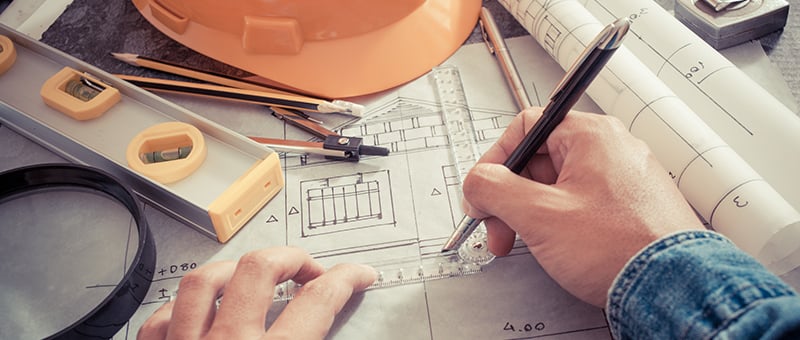
Every architect, interior designer, or manufacturer knows that a simple sketch on paper can’t help build a house or make a furniture piece, because only professional drawings can turn an idea into a real thing. Regardless of the types of drafting, any industry requires highly detailed blueprints with correct elements, lines, and dimensions. Read more
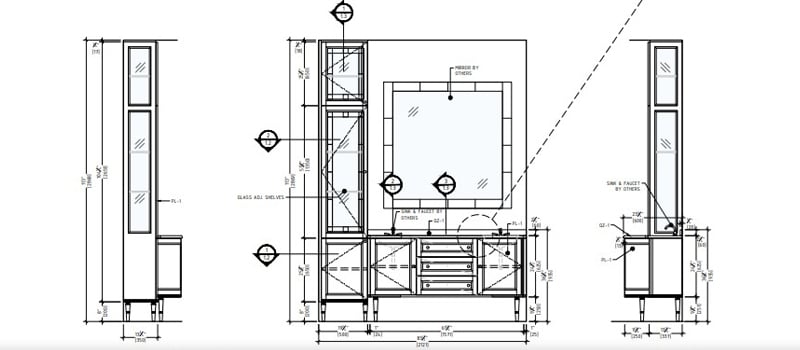
Shop drawings are what a fabricator actually builds from. The architect drawings say what a piece should be, and the shop drawing answers how it gets made, on a sheet the shop can cut from: dimensions taken off the site, materials, hardware with part numbers, joinery and the tolerances the piece has to hold. That is why they are prepared by the contractor or the fabricator rather than by the designer, and why they go back to the architect for review before any material is ordered.


Architectural CAD drawings are detailed plans and diagrams that convey essential technical information about buildings. Used by architects, designers, and engineers, these drawings guide construction with accuracy and clarity.


A CAD drawing is a technical drawing made in software rather than on paper. Sounds like a small difference. It really is not.
Scan a hand drawing and you get a picture of some lines. A CAD drawing is the lines themselves. Every wall is an object that knows its own length, everything sits on a layer, and the drawing is made at full size and only scaled when it hits a sheet. Measure something on it and the number is true.
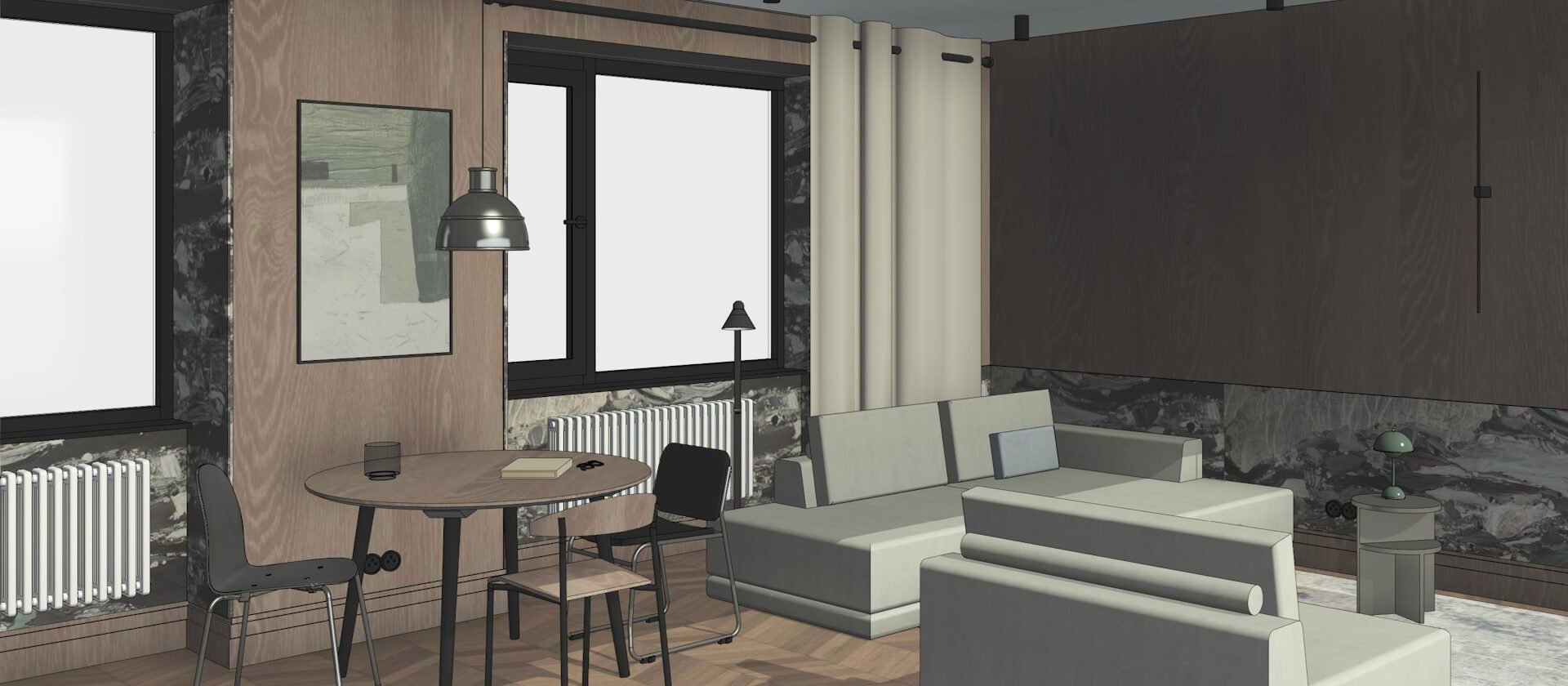
Navigating massive construction projects can be a tedious job. The bigger the scale, the more information you need to keep in mind to ensure a swift and smooth project completion. Most of the issues here stem from the ineffective cooperation between different professionals.