Drafting Services Blog
Find out how to improve your business with professional CAD drawings and Revit 3D modeling

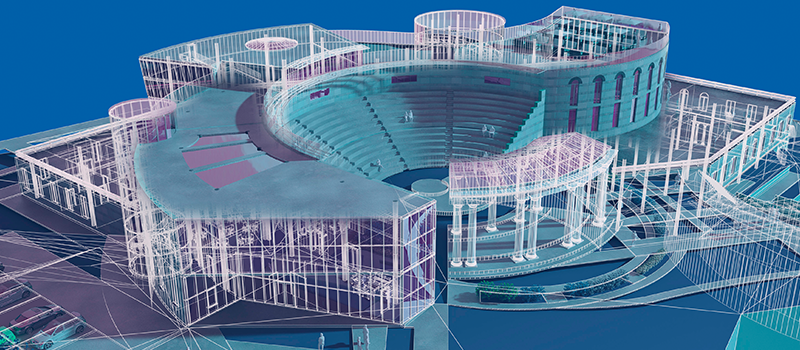
Architecture professionals that are new to computer-aided drafting might get a little overwhelmed with the range of features it offers. Among the most game-changing ones is 3D drafting – creation of 3D models of buildings for construction and renovation purposes. This sounds interesting, but how can an architect know if they need it? Read more
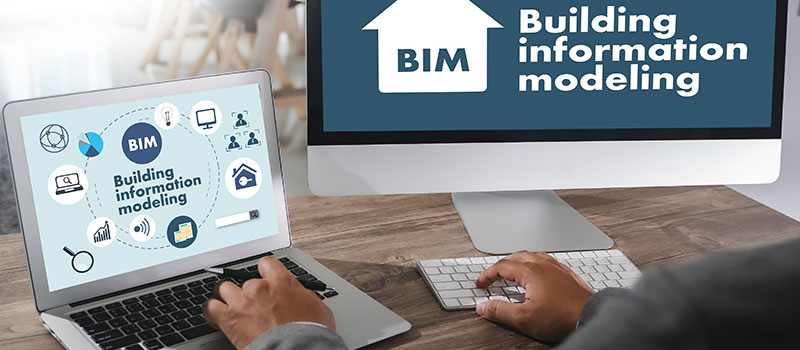
Advanced architects are always trying to keep up with new technologies and digital design tools. To stay in a game, you have to be relevant and evolve professionally because customers’ requests are constantly growing. Therefore, architects have to learn new 2D and 3D drafting programs to get better and faster. Read more
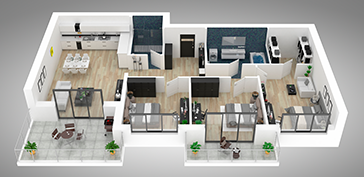
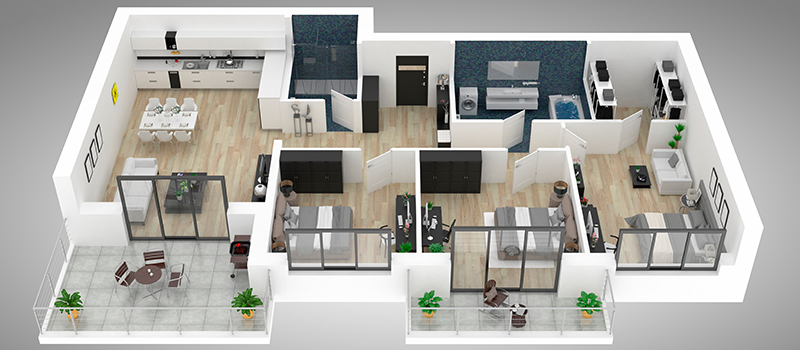
Facing extremely strong competition on the real estate market, realtors are constantly looking for ways to stand out among competitors. Their goal is to provide more value for prospects with high-quality informative visual materials. And, ultimately, boost property sales, of course. This is why many of them choose to include real estate house plans in their listings. Read more


Architects strive for perfection and demand top-quality results from every project department, from engineers to a drafting team. Accordingly, an architectural drafter should not only be an expert but also has to combine productivity with the best turnaround time and smooth communication. Read more


Having CAD services at hand accelerates the designing process of a project and simplifies the whole construction planning. Without approved residential architectural drawings, nor architects, nor developers can start executing the project. They also can’t estimate the cost and material consumption accurately, as well as plan all stages of construction. Even the tiny error in the calculations can cost too much, starting with the waste of resources and ending with cracks in the foundation. Read more


Computer-Aided Design has added to the evolution of many different industries, beginning with electrical engineering to a civil one. The number of industries working with it are limitless. The advantages of CAD are multiple. For example, in the civil industry, CAD has provided cooperative alternatives to physical construction drafting. In due time, technical drawings were an onerous process for the construction.

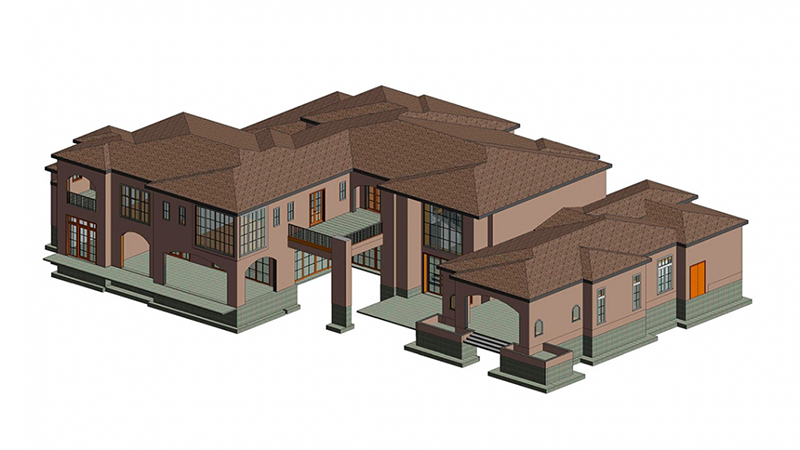
A renovation starts backwards. The building is standing right there, and the drawings either do not exist or date from 1978 and lie about where the walls are.
Scanning solves half of that. It gives you millions of measured points and no idea what any of them mean. Turning those points into a model somebody can build from is the other half, and it is a person doing the work, not a button.


What’s the big deal about Revit for architecture? Well, it’s like Mcdonald’s for the food industry or Nike for shoe one. When it occurred in 1997, it brought a real breakthrough into architecture, engineering, and constructions on so many levels. First and foremost, it has revolutionized the approach the building specialists use to interact and run the modeling workflow. Plus, this brand new visualization opportunity needs additional accolades.


It’s impossible to imagine the creation of any kind of architectural unity without CAD drawings nowadays. In early times, it used to be only freehand sketches, but today a computer took the lead. In general, drawing means the visual concept of an object or an idea that can be communicated to another person via a medium like computer-aided design software. Herewith, drafting means performing modifications over drawings, again manually or by computer. Drafting is integral to architectural, civil, mechanical, electrical, aeronautical, and marine drafting.
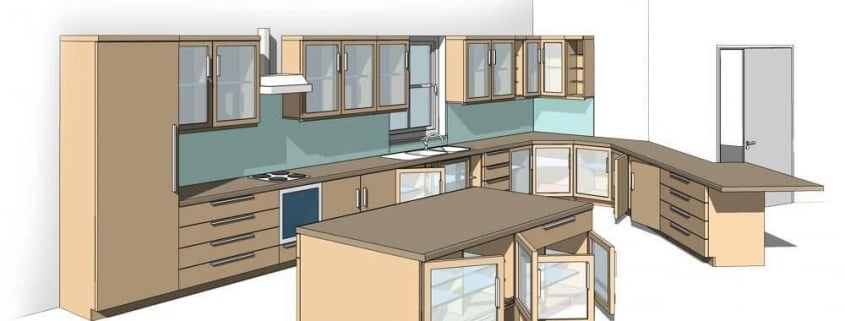
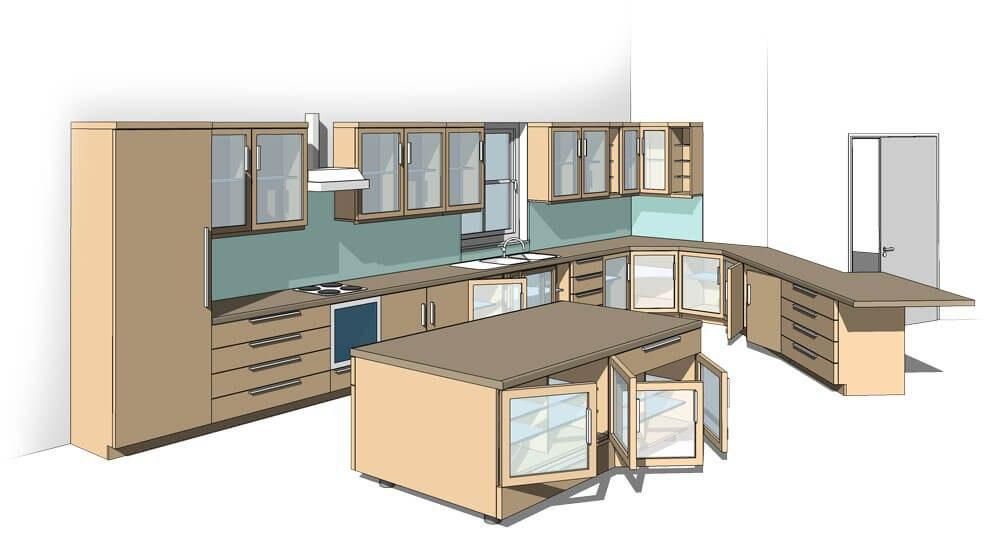
To survive in the competition, furniture manufacturers should focus on customization in their industry. Otherwise, why not if shoes, gadgets, clothes, and even cars do this? Who would want a standard furniture piece when it can be personalized with someone’s favorite texture, color, some extra details? To address this, manufacturers and millworkers need the technology that allows modifying and customizing an item in its “conceiving state”. This is what 3D printing of 3D models in Revit is about. The Revit program creates a model which is absolutely adjustable, modifiable, etc., and the 3D printing helps produce it as soon as possible. As a result, both the business and the customer win.